Leaders Opinion
India’s Supply Chain Ecosystem: Journey from Barriers to Breakthroughs

1. The Strategic Imperative: A Defining Moment
As someone who has spent decades navigating the complexities of India’s supply chain ecosystem, I can say with conviction that we stand at a defining moment. India’s supply chain ecosystem is undergoing a historic transformation. What was once viewed as a backend function has now emerged as a strategic enabler of national competitiveness; it is becoming the very backbone of India’s economic destiny. It connects our farmers to markets, our manufacturers to global customers, and our service providers to millions of consumers who now expect speed, reliability, and transparency as a given.
Over the past decade, global supply chain disruptions, pandemic‑induced shocks, technological disruptions, and evolving consumer expectations have compelled businesses and policymakers to rethink how goods move across the country. This evolution marks a defining moment—one where India has the opportunity to transition from a reactive, cost‑heavy logistics network to a proactive, integrated, technologically advanced supply chain powerhouse.
2. The Historical Burden: Normalizing Inefficiency
For years, we have lived with inefficiencies that were almost normalized. Logistics costs consumed 13–14 % of our GDP, far higher than the global benchmark of 8–9 %. This was not just an economic statistic; it was a structural handicap.
High logistics costs created cascading inefficiencies—expensive exports, inflated consumer prices, delays in procurement cycles, and reduced competitiveness for SMEs. These challenges were amplified by infrastructure constraints, policy fragmentation, and limited adoption of digital tools.
India’s supply chain inefficiencies have historically stemmed from:
- Infrastructure Gaps: India’s infrastructure grew steadily, but fragmentation persisted. Port capacity expanded, highways improved, and airports modernized, yet the missing link lay in multimodal integration. A typical container might travel via road, wait idle, switch modes inefficiently, and accumulate delays that were avoidable with synchronized planning. The lack of dedicated freight corridors for decades severely constrained rail freight efficiency
- Transport Imbalance: Road transport dominates freight movement (roughly 70%), of India’s goods. Although trucks have become more efficient, dependence on road networks contributed to congestion, higher carbon emissions, and elevated transportation costs. Rail and waterways—historically cost‑efficient alternatives—remained underutilized.
- Operational Bottlenecks: Before the introduction of GST, interstate checkpoints caused long queues, idling trucks for hours, sometimes days. Warehousing lacked uniform standards, with outdated layouts, manual handling, and erratic process flows. The cumulative impact led to longer turnaround times, unpredictable lead times, and inventory pileups, further exacerbated costs.
- The Idling Problem: Trucks carrying goods often spent as much time idling at bottlenecks as they did moving on highways. Whether it was agriculture or manufacturing goods, delays were consistent. Perishable goods often rotted on the way to markets. Manufacturers faced mismatched inventories due to slow movement of raw materials. Port congestion amplified turnaround inefficiencies.

The country is now moving toward a digitally integrated, resilient, and globally competitive model.
3. The Digital and Regulatory Turning Point
The introduction of the Goods and Services Tax in 2017 was a turning point. By eliminating interstate check-post delays, GST reduced transit times by nearly up to 25%, reducing inventory costs and enabling hub‑and‑spoke warehousing. I recall vividly how a truck that once took five-six days to move from Delhi to Chennai could now make the journey in four. Yet compliance burdens and bureaucratic complexities continued to weigh heavily on smaller enterprises.
Small and medium enterprises (SMEs), which form the backbone of India’s economy, face additional challenges in adopting advanced technologies. This has created a dual-speed ecosystem—digitally advanced large enterprises and lagging smaller players. The paradox of our ecosystem was stark: while large corporations embraced artificial intelligence, blockchain, and robotics, small and medium enterprises struggled to afford or implement these solutions.
This unevenness created islands of efficiency in an otherwise fragmented landscape.
The COVID-19 pandemic was a brutal stress test. COVID‑19 exposed vulnerabilities on an unprecedented scale. Global supply disruptions increased lead times, container shortages crippled exports, and medical supply chains struggled under pressure. Pharmaceutical supply chains faltered, essential goods were delayed, and vulnerabilities were laid bare. It was a reminder that resilience and risk management must be embedded into the DNA of our supply chains. Natural disasters, geopolitical tensions, and cyber risks continue to pose threats, demanding a new mindset that prioritizes agility and preparedness. Companies introduced risk‑mitigation strategies, multi‑sourcing, and near‑shoring. From pharma to essential goods, industries strengthened resilience planning.
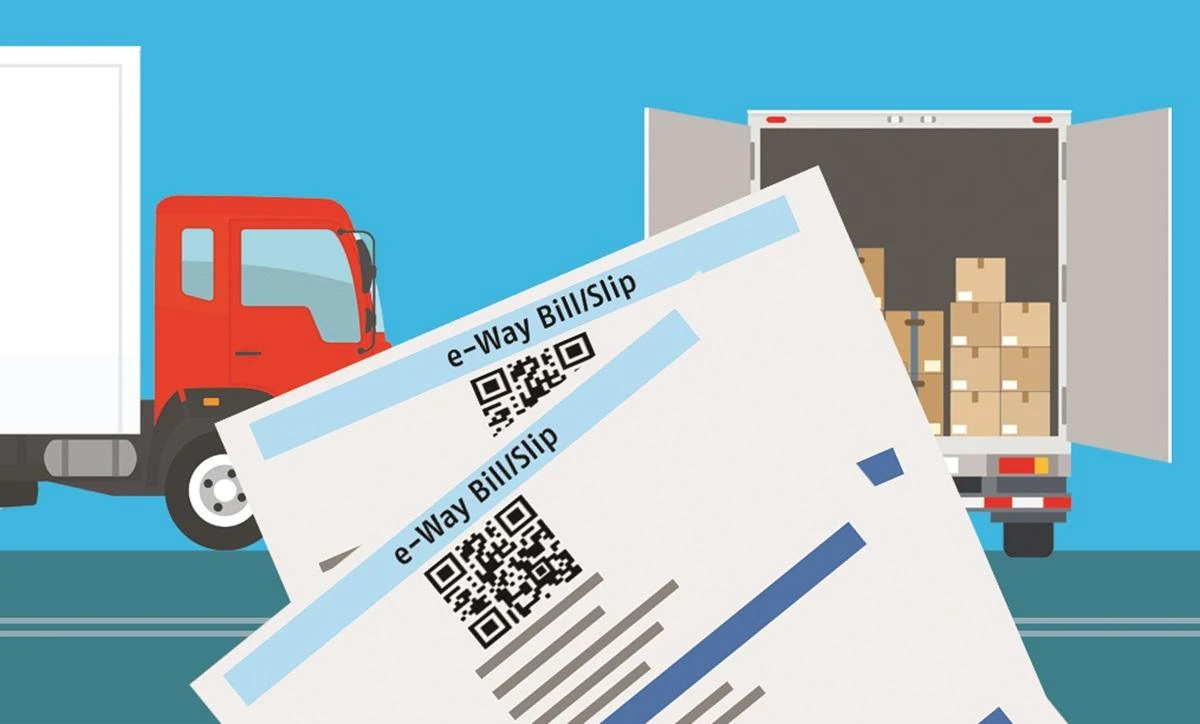
Yet, amidst these challenges, innovation has begun to reshape the landscape. Digital transformation has accelerated, driven by platforms such as the Unified Logistics Interface Platform (ULIP) aims to integrate logistics data across ministries, modes, and stakeholders and e-way bills have digitized compliance that enhance transparency and reduce paperwork. FASTag has reduced toll delays. IoT‑enabled fleet tracking has improved end‑to‑end visibility.
India’s digital push has significantly accelerated supply chain modernization.
Innovation Across Industries
Predictive analytics has transformed demand forecasting. Firms now leverage machine learning to forecast consumer behavior and optimize safety stocks. In the retail sector, companies like Reliance Retail and Mahindra Logistics have embraced automation—robotic picking, sortation systems, and digital twins. Hyperlocal delivery platforms such as Swiggy and Zomato have demonstrated the power of real‑time optimization, ensuring rapid last‑mile fulfillment.
Automation is another frontier. Reliance Retail and Mahindra Logistics have deployed automated storage and retrieval systems, robotics, and AI-driven warehouse management, reducing human error and improving efficiency. In the service sector, hyperlocal delivery networks built by Zomato and Swiggy demonstrate how agility and customer-centricity can redefine supply chains. These companies use real-time data and route optimization to ensure food reaches consumers within minutes, setting benchmarks for responsiveness.
Government Initiatives Redefining the Landscape
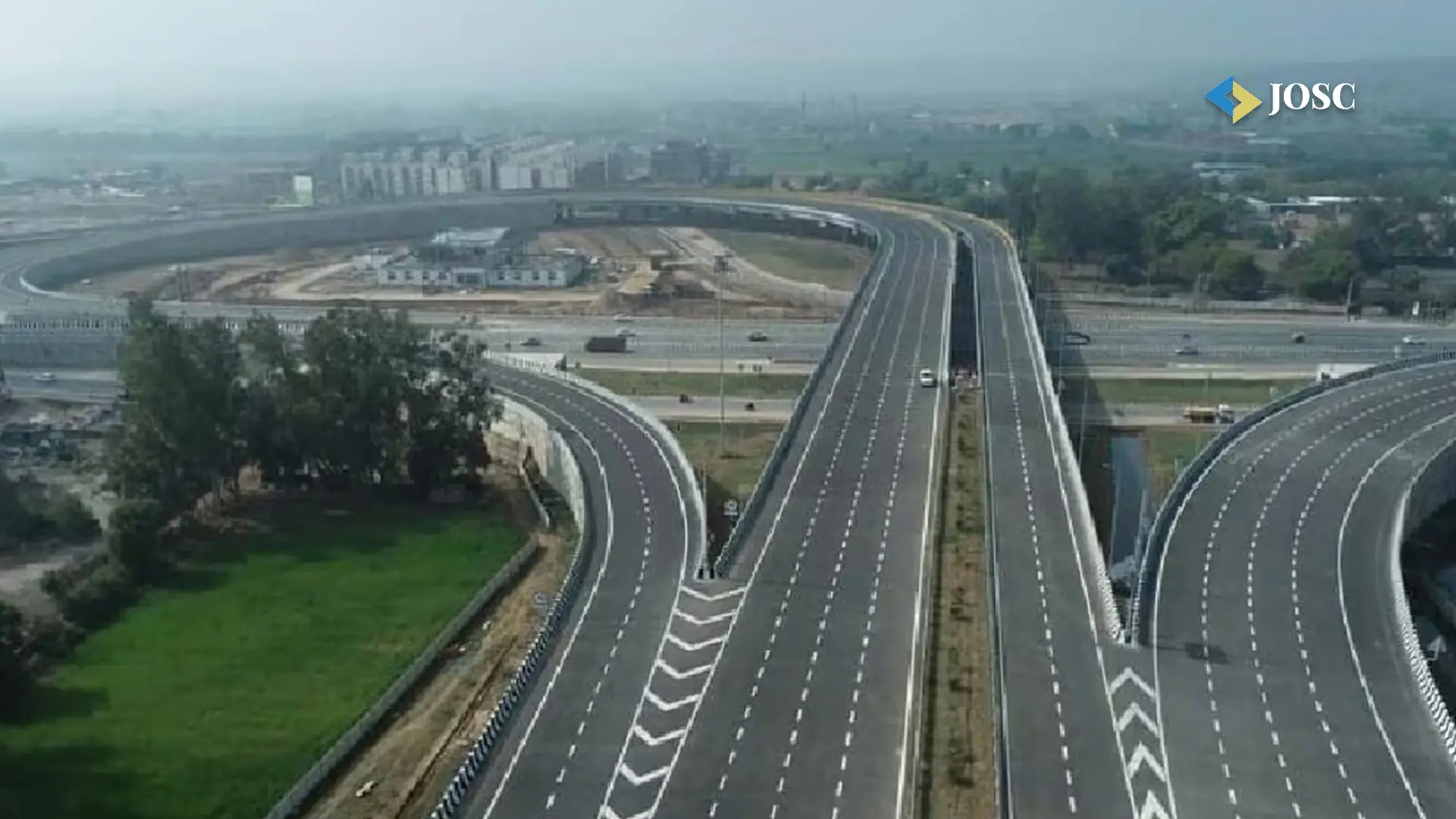
Government initiatives have provided a strong foundation for this transformation. The National Logistics Policy, (NLP) launched in 2022, aims to reduce logistics costs to 8 % of GDP by 2030. It emphasizes multimodal transport, digital integration, and skill development. Complementing this is the PM GatiShakti Plan, a comprehensive infrastructure development initiative that integrates rail, road, air, and waterways to create seamless connectivity. By leveraging data-driven planning and inter-ministerial coordination, GatiShakti seeks to eliminate the silos that have long plagued infrastructure projects. Logistics sector momentum driven by PM GatiShakti with 293+ projects worth ₹13.59 lakh crore is enhancing multimodal efficiency. India’s national highways expanded from 91,287 km (2014) to 1,46,204 km (2025) under PM GatiShakti multimodal connectivity initiatives.
Production Linked Incentive Schemes (PLI)
The Production Linked Incentive schemes (PLI) have further catalyzed manufacturing supply chains. In mobile phone production, companies like Foxconn and Samsung have expanded operations in India, supported by government incentives. This has not only boosted domestic manufacturing but also strengthened supply chains by creating local supplier networks. In the automotive sector, Maruti Suzuki has implemented just-in-time practices supported by digital dashboards for supplier coordination, reducing inventory costs and improving responsiveness.
Conference

Conference

Figure 2: Key Policy Milestones

Case Studies from Key Sectors
Case studies from the apparel industry highlight the role of analytics. An ethnic wear manufacturer, studied by IIM Kozhikode, optimized forecasting and distribution using advanced analytics, improving sell‑through rates, reducing stockouts and improving customer satisfaction. In healthcare, Apollo Hospitals digitized its pharmaceutical supply chain, ensuring real-time tracking of critical medicines and reducing counterfeit risks by using RFID, IoT, and integrated dashboards there by improving patient outcomes. AI‑powered warehousing adoption, with companies like Flipkart and Blue Dart is implementing predictive and automated systems.
These examples underscore how innovation, when combined with strategic intent, can transform supply chains across sectors.
Figure3: Industry Case Studies

4. The Roadmap: Resilience, Sustainability, and Global Leadership
The next decade will define India’s supply chain maturity. Three pillars must guide the journey:
The roadmap ahead must focus on integration, inclusivity, and sustainability.
Integration requires building multimodal logistics systems that connect road, rail, air, and waterways seamlessly there by reducing the logistics cost from13–14 % of our GDP, to the global benchmark of 8–9 % by 2030. Highways must integrate for Manufacturing & export supply chain expansion, backed by Dedicated Freight Corridors, Sagarmala & Bharatmala with dedicated freight corridors, ports with inland waterways, and warehouses with digital control towers
Inclusivity demands bridging the digital divide by supporting SMEs with affordable technology solutions and skill development programs. Shared logistics platforms, common user warehouses, and skill development initiatives will help democratize competitiveness.
Sustainability has moved from rhetoric to reality, with firms like Flipkart and Amazon India investing in electric vehicles for last-mile delivery and renewable-powered warehouse and circular supply chain practices. Sustainability must become a core strategy, aligning supply chains with India’s net-zero 2070 commitment.
Figure 4: Projected Logistics Cost Reduction

Figure 5: India’s Net Zero Commitment on Sustainability

5. Global Positioning
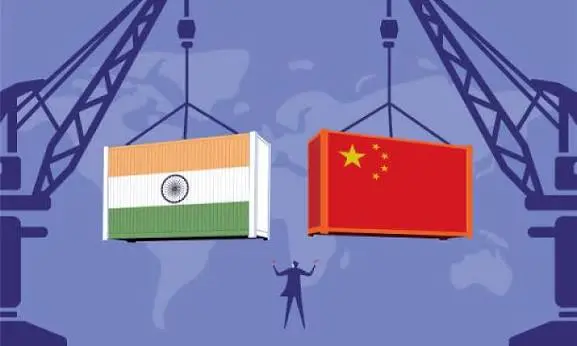
India’s positions it as a strong alternative to China‑centric supply chains. Sectors such as pharmaceuticals, electronics, renewables, and automotive components offer significant export potential. To become a global hub, India
Global positioning is equally critical. India has the demographic dividend, cost competitiveness, and strategic geographical advantage—situated between major global trade routes to become a global supply chain hub. Pharmaceuticals, electronics, and renewable energy are sectors where India can lead. But this requires not just infrastructure and technology but also must demonstrate reliability, transparency, and scalability. Global partners must see India as a dependable node in their supply chains.
My opinion, shaped by years of experience, is clear: India’s supply chain ecosystem is not merely about moving goods efficiently. It is about shaping the country’s economic destiny. The challenges are real, but so are the opportunities. Government initiatives provide scaffolding, industry innovations demonstrate the possibilities, and the roadmap ahead offers direction. What is needed now is execution with discipline & proper governance, collaboration across stakeholders, and a relentless focus on resilience and sustainability.
Figure 6: Supply Chain Evolution

6. Conclusion: From Barriers to Breakthroughs
India stands at an inflection point. Unique challenges remain—fragmentation, digital gaps, and infrastructure bottlenecks—but never before has the momentum for change been stronger. The stakes are high, but so is the potential. With coordinated execution, disciplined governance, and collaboration across industry and government, India’s supply chain ecosystem can become a global benchmark.
Figure 7: Supply Chain Evolution

1. Macroeconomic Overview
India is aggressively modernizing its logistics framework to lower operational costs and boost global competitiveness.
* Market Valuation (2024): US$ 228 billion.
* Projected Market Valuation (2033): US$ 428.7 billion.
* Logistics Cost (% of GDP): Currently 13–14%.
* National Logistics Policy Target: Aiming for less than 8% of GDP.
2. Digital Transformation & Emerging Tech
Technological adoption is no longer optional, with nearly half of the industry integrating advanced intelligence.
* AI Adoption Rate (2025): 48% of companies are using AI in at least one process.
* Drone Logistics Market (2024): Valued at US$ 23 million.
* Growth Driver: National drone deployment initiatives are fueling the expansion of autonomous delivery.
3. Specialized Infrastructure Growth
Heavy investment in physical connectivity and temperature-controlled storage is reshaping the movement of goods.
* National Highway Expansion: Increased from 91,287 km in 2014 to 146,204 km in 2025 under PM GatiShakti.
* Cold Chain Market (2024): USD 10.5 billion.
* Cold Chain Projection (2033): USD 74.5 billion, driven by pharma, food retail, and e-commerce.
4. Sustainability & High-Growth Sectors
The transition to green logistics is gaining momentum alongside a massive surge in electronics manufacturing.
* EV Logistics Momentum (FY 2024–25): 2,037,831 EVs sold.
* EV Year-over-Year (YoY) Growth: 15.68% growth in last-mile electrification.
* Smartphone Export Growth (2021–2025): Rose from ₹0.31 lakh crore to ₹2.63 lakh crore.
* Export Status: Smartphones became India’s largest export category in 2025.
The journey from barriers to breakthroughs is well underway. What remains is the collective will to accelerate transformation and position India as a trusted global supply chain leader.
Explore the latest edition of Journal of Supply Chain Magazine and be part of the JOSC News Bulletin.
Discover all our upcoming events and secure your tickets today.
Journal of Supply Chain is a Hansi Bakis Media brand.
Leave Comment
Join the community of 150,000+ industry professionals
Subscribe to our Daily Newsletter
Subscribe For FreeBy continuing you agree to our Privacy Policy & Terms & Conditions
Latest







Feature Articles

Related